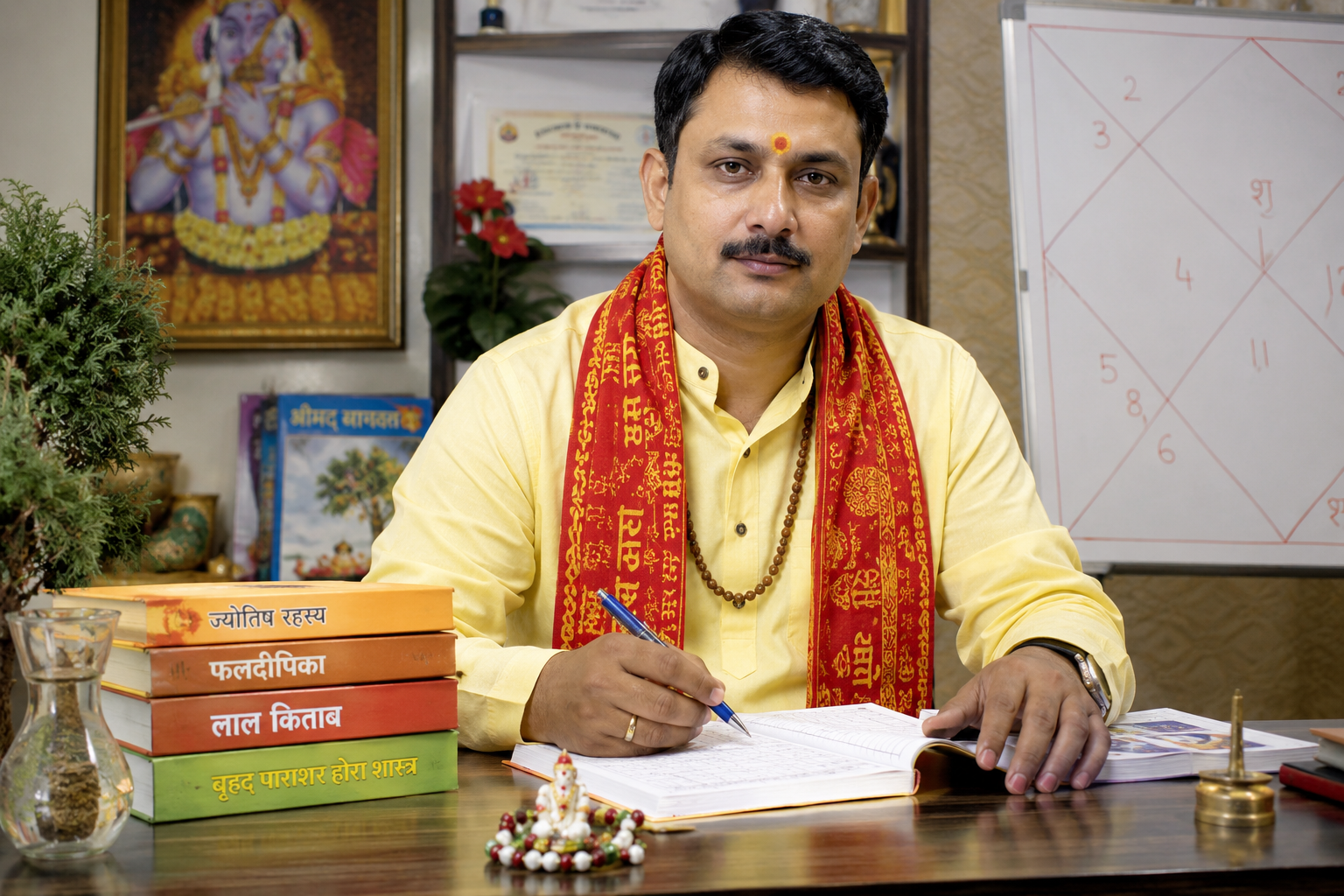
“Vashikaran” is a term that many people come across while exploring Indian astrology and tantric traditions, often in the context of relationships, family disputes, or personal struggles. However, there is a lot of misinformation, exaggeration, and false promises surrounding this topic online.
This article is written to give you honest, fact-based information about what Vashikaran actually is according to Vedic and tantric literature, where it comes from, and — just as importantly — what it is not. No exaggerated claims, no promises of guaranteed results, and no misleading information are included here. The goal is simply to help readers understand this concept accurately.
What Does Vashikaran Actually Mean?
The word “Vashikaran” comes from two Sanskrit roots: “Vashi” (meaning to attract or draw near) and “Karan” (meaning the act or process of doing something). Put together, it traditionally refers to a set of practices — mantras, rituals, and focused intention — described in ancient tantric and astrological texts, believed to influence a person’s mind, attention, or behavior.
In classical Indian literature, Vashikaran is mentioned as one of the “Shodasha Karma” (sixteen ritual actions) within tantra shastra, alongside other practices like Shanti (peace), Stambhan (halting/blocking), and Akarshan (attraction). It’s important to understand that this is a traditional, faith-based concept, not something documented or verified through scientific methods.
Historical and Cultural Context
Vashikaran-related practices are described in several old tantric texts, and they have historically been associated with:
- Resolving conflicts between family members
- Improving communication in strained relationships
- Attracting positive attention or goodwill from others
- Reducing hostility or enmity between people
In traditional Vedic astrology, planetary influences — particularly those of Venus (Shukra), the Moon (Chandra), and certain yogas in a birth chart — are sometimes discussed in relation to a person’s charm, persuasiveness, or influence over others. Astrologers who study these placements may offer remedies (upay) such as specific mantras, gemstones, or rituals, which are said to work by aligning a person’s own energy — not by controlling another person against their will.
What Vashikaran Is NOT
Because of misleading marketing by some self-proclaimed practitioners, it’s important to be clear about a few things:
- It is not a proven method to control another person’s free will. No scientific or empirical evidence supports the idea that any ritual can override another individual’s independent thoughts or decisions.
- It is not guaranteed to “fix” a relationship. Genuine relationship issues usually require honest communication, mutual effort, and sometimes professional counseling — not rituals alone.
- It should never be used to manipulate, coerce, or harm someone. Traditional texts themselves emphasize that these practices were meant to promote harmony and goodwill — not domination or control over another person against their consent.
- It is not a substitute for legal, medical, or psychological help, especially in situations involving abuse, addiction, or serious relationship breakdowns.
Any website, individual, or advertisement claiming a “100% guaranteed” result, or asking for large sums of money for “urgent” remedies, should be approached with strong caution. This is a common pattern used to exploit people who are emotionally vulnerable.
The Ethical Angle: Why Consent Matters
One of the most important things to understand about Vashikaran is the ethical question it raises. The very idea of trying to influence someone’s mind or actions without their knowledge or consent conflicts with basic principles of respect and personal autonomy — values that are also emphasized in Vedic philosophy itself, which teaches self-discipline (tapasya) and inner transformation rather than control over others.
Many respected astrologers and spiritual teachers actually discourage using such practices to control another person, and instead recommend:
- Self-reflection and honest communication
- Strengthening one’s own personality, confidence, and communication skills
- Addressing the root cause of relationship or family conflict directly
- Seeking guidance from a licensed counselor or therapist for serious relationship issues
How Vedic Astrology Approaches Relationship and Life Problems
Instead of focusing on controlling others, traditional Vedic astrology places more emphasis on:
1. Understanding Planetary Influences
Astrologers study a person’s birth chart (Kundali) to understand challenges related to relationships, career, or family — often linked to planets like Venus, Mars, Saturn, or Rahu-Ketu placements.
2. Suggesting Remedies for Self-Improvement
Common remedies include specific mantras, fasting on certain days, wearing recommended gemstones, or performing particular pujas — all aimed at improving one’s own mental clarity, patience, and decision-making.
3. Encouraging Patience and Timing
Vedic astrology often emphasizes that difficult phases are temporary and linked to planetary cycles (like Sade Sati or Mahadasha periods), encouraging patience rather than urgent, forceful action.
How to Protect Yourself From Misleading Claims
If you’re researching this topic because you’re going through a difficult personal situation, here are a few honest points to keep in mind:
- Be skeptical of anyone who promises instant or guaranteed results.
- Avoid sharing large sums of money, personal photos, or sensitive information with unverified individuals online.
- Genuine astrologers usually explain planetary reasoning behind their advice rather than simply promising outcomes.
- If a relationship or family issue is causing you significant emotional distress, speaking with a qualified counselor or therapist is often more effective and safer than relying solely on rituals.
Frequently Asked Questions
Q1. Is Vashikaran real? Vashikaran is a traditional tantric-astrological concept described in ancient texts, based on belief and faith. It is not something that has scientific proof or empirical validation.
Q2. Can Vashikaran control someone completely? No credible tradition supports the idea that any ritual can override another person’s free will. Genuine spiritual teachings actually caution against trying to control others.
Q3. Is it safe to try Vashikaran remedies suggested online? Be very cautious. Many online claims are designed to exploit people emotionally and financially. If you’re interested in Vedic remedies, consult a knowledgeable and reputable astrologer, and avoid anyone demanding large payments for “guaranteed” results.
Q4. What should I do instead if I’m struggling in a relationship? Honest communication, patience, and — where needed — professional counseling are far more reliable approaches than relying on rituals to influence another person’s feelings or actions.